

 Back to Blogs
Fiberglass Entry Doors: Strengths, Limits, and Who They Suit!
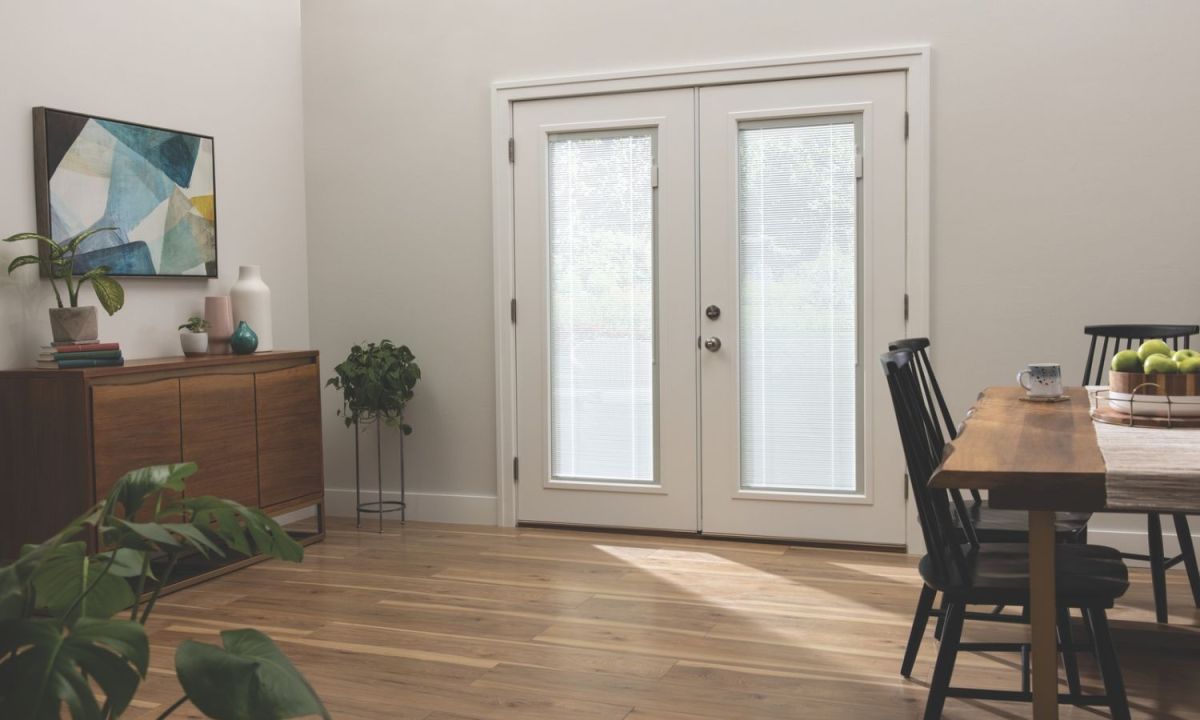
Fiberglass entry doors are doors built with a molded fiberglass skin over an insulated core. They resist rot, warping, and rust, and they hold their shape through changing weather. They are also not the right fit for every home. Picture a solid wood door in Wayne County in April. Rain on Monday, a hard freeze on Wednesday, sunshine by Saturday. By July, the door sticks in its frame and nobody can say exactly when it started. That kind of swing is the problem fiberglass was built to handle.
What Fiberglass Entry Doors Are Made Of?
A fiberglass door has three working parts. The outer skin is molded fiberglass, the core is insulation, and the edges are sealed to keep moisture out. Good models offer edge-to-edge moisture protection, so water has a hard time finding a way in.
The skin is molded with deep, wide panels that copy the look of traditional doors. From the curb, a well-made unit reads as a real panel door, even though no tree was involved.
Most homeowners run into three main finishes:
- Smooth fiberglass doors arrive with a flawless, ready-to-paint surface, or in factory colors.
- Woodgrain fiberglass doors copy oak, mahogany, and cedar textures and take either paint or stain.
- Modern entry doors use clean lines, sharp angles, bold colors, and varied glass shapes, in smooth or oakgrain textures.
Strengths That Show Up Every Day
- Weather resistance - The skin will not rot, warp, twist, or bow like wood. It also will not dent or rust like steel. For a door that takes rain, snow, and sun on one face, that matters a lot.
- Insulation value - Some fiberglass door lines advertise up to four times the insulation value of wood. The real figure depends on the model, the glass, and the fit, so ask for the spec sheet.
- Low upkeep - You can paint a smooth door a new color years later. A woodgrain door can carry a stained finish without the swelling that wood invites.
- Design range - Panel layouts, decorative glass, privacy glass, internal blinds, sidelites, and transoms can all be mixed.
- Recognition - Select models have earned the Good Housekeeping Seal, which gives buyers one more reason to trust the build.
Where Fiberglass Entry Doors Fall Short
Every material has trade-offs, and fiberglass is no exception. We would rather you hear them now than discover them after installation.
- Upfront cost - A quality door usually costs more than a basic builder-grade slab. Lasting performance can narrow that gap over time.
- Hard impact - A heavy blow, such as a swung ladder or a dropped appliance, can crack the skin.
- Hot colors -Very dark shades on a door that faces strong afternoon sun can run hot to the touch. Color choice deserves some thought.
- Little room for reshaping - Unlike wood, a fiberglass slab offers little room to be planed or trimmed on site. The measurements must be right before the order goes in.
- The opening still counts - A new door is only as good as the frame around it. Rotted framing or structural problems need a licensed contractor before a new door goes in.
Who Fiberglass Entry Doors Suit Best
These doors tend to fit well in four situations:
- Homes in places with sharp seasonal swings, such as north central Ohio, where snow, freeze-and-thaw cycles, and humid summers all hit the same door.
- Owners who love the look of wood but dislike the upkeep that comes with it.
- Households that want plenty of glass for light, with a privacy option for the rooms behind it.
- Homeowners planning a full exterior update who want the door to match new siding and windows.
A fiberglass door is a weaker fit for a historic home where a period solid wood door is part of the character. It also suits people less if they enjoy hand-finishing and reshaping wood themselves.
How a Replacement Entry Door Goes In
A replacement entry door project follows a predictable order:
- Choose the finish, glass, sidelites, and hardware.
- Measure the opening carefully, since fiberglass slabs leave little room for trimming on site.
- Have a licensed contractor handle any frame or structural issues first.
- Remove the existing door entirely and install a brand-new fiberglass door in its place.
Color and design options vary by location, so the final lineup depends on what is available in your area.
Bottom Line
Pick fiberglass entry doors if you want a tough, low-fuss front door that handles Ohio weather. Pass on them if period wood is the whole point of your house. Measure well, fix the frame first, and choose glass and hardware you'll still like in ten years.
Window World of the Heartland installs fiberglass entry doors for Ohio homeowners, and you can request a free in-home quote to see which style fits your home.
Frequently Asked Questions
-
Fiberglass handles weather better because it will not rot, warp, or swell like wood. Wood still wins for historic character and hand-carved detail.
-
Yes, the insulated core provides strong thermal performance, and some lines list insulation values up to four times that of wood. Actual results depend on the model and fit.
-
Yes. Woodgrain fiberglass doors mimic oak, mahogany, and cedar textures, and they accept paint or stain, so they look close without the upkeep of real wood.
-
No. The skin does not rust or dent like steel. A severe impact can still crack it, so consider how hard you'll use the door.
-
Yes. Options include decorative or privacy glass, internal blinds, sidelites, and transoms. Available designs vary by location, so check the current lineup before choosing.