

 Back to Blogs
What Causes Vinyl Siding to Crack in Cold Weather?
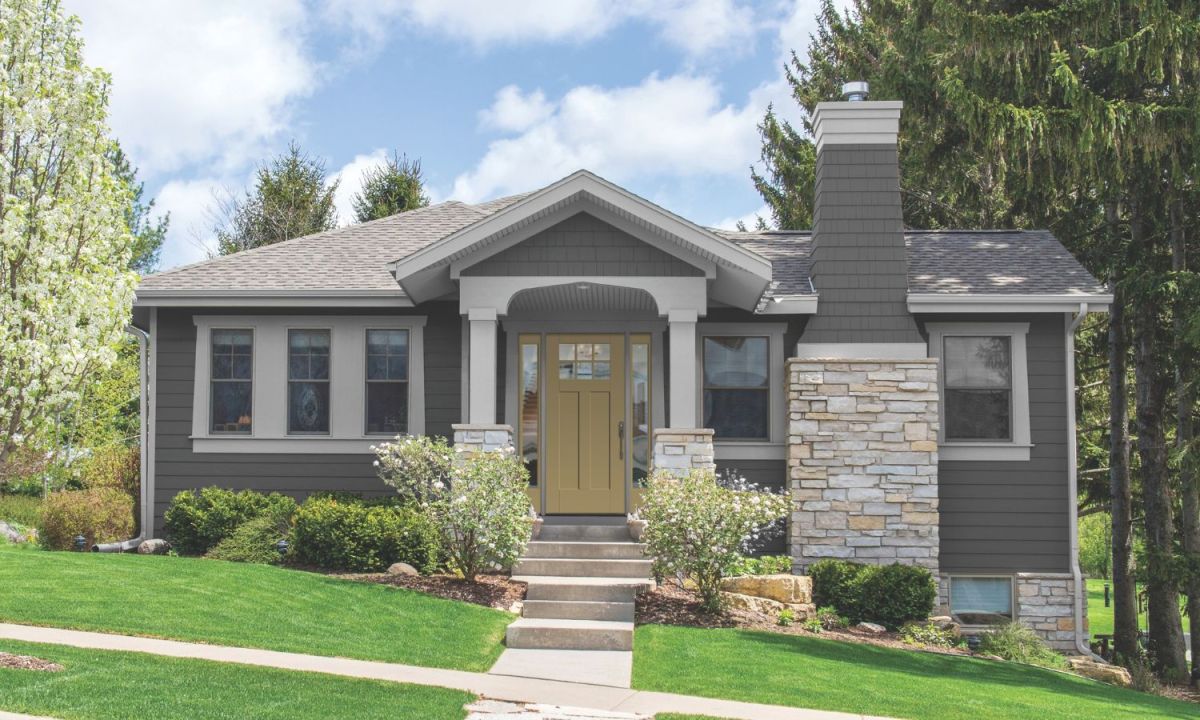
Vinyl siding faces different challenges during winter. Freezing temperatures make the material less flexible, while snow, ice, and sudden temperature changes add stress to exterior panels. Siding that has aged over the years or was not installed correctly may be more vulnerable to damage.
The reasons behind vinyl siding cracking in cold weather are not always obvious. Sometimes, a crack follows an accidental impact. In other cases, the problem develops gradually because panels cannot move freely as temperatures change.
Knowing the cause can help homeowners decide when their siding needs attention or full replacement.
Causes of Cracks in Vinyl Siding
Vinyl siding can develop cracks during winter for several reasons, from freezing temperatures to accidental impacts. Understanding these causes can help homeowners identify potential problems and decide when full siding replacement may be necessary.
Low Temperatures Make Vinyl Less Flexible
Vinyl gets stiffer in the winter. It doesn't take impacts the same way it does in the summer. That's why a panel that would have survived a fairly normal bump in the summer could crack from the same impact in the winter.
Cold weather in itself doesn't mean the siding will crack. The material's condition, age, and the force of the impact are all factors. Older panels with some wear may be more prone to damage if temperatures stay below freezing for several days.
Sudden Temperature Changes Affect Vinyl Panels
Winter temperatures can vary dramatically over a very short period. Vinyl expands as temperatures rise and contracts as they fall. As a result, the panels need room to move.
If the siding was nailed down too tightly during installation, it may not be able to move freely, creating pressure around the edges of the panel and the fasteners. Repeated temperature cycling can then exacerbate that stress and lead to cracking.
This is one reason vinyl siding can crack in cold weather even without direct impact.
Falling Ice and Everyday Accidents
A panel can crack from something striking it, not just because it's cold. Vinyl is less flexible in the cold, so impact damage is more likely to show.
Common winter hazards include:
- Ice falling from roof edges.
- Snow blowers or shovels striking lower panels.
- Tree branches weighed down by snow.
- Ladders or outdoor equipment hitting exterior walls.
Watch for impacts below rooflines, near driveways, and around trees. These locations are more likely to experience accidental impacts during winter.
Incorrect Installation Creates Weak Points
Vinyl siding must be installed with room for expansion and contraction. Fasteners driven too tightly can restrict panel movement. Incorrect fastening positions and poor alignment can also put unnecessary pressure on certain sections.
These installation problems may not be obvious immediately. Homeowners might first notice buckling, unusual gaps, or cracks after a season of temperature changes.
When several panels show similar damage, the installation history may be worth examining alongside the material's age and condition.
Years of Sun and Weather Exposure
Siding stays outside through every season. Sunlight, rain, wind, and temperature changes gradually affect its condition. Older vinyl may lose some of its original flexibility after years of exposure.
This becomes more noticeable in winter, when already-aged panels must withstand freezing temperatures and occasional impacts. Fading, brittle surfaces, and cracks in several locations can indicate general deterioration.
If the siding has widespread damage, replacing the existing exterior may be more appropriate than focusing on individual damaged areas.
What Should You Look for After a Winter Storm?
A quick visual check after severe winter weather can help identify obvious siding damage. Look around the entire exterior, not just the areas closest to your driveway or entrance.
Watch for:
- Cracks or holes in individual panels.
- Panels that appear warped or uneven.
- Sections that have pulled away from adjoining panels.
- Noticeable fading or surface deterioration.
- Damage around corners, windows, and doors.
A crack doesn't necessarily mean the whole exterior needs replacing. If you've got a number of cracks across the property, though, it does warrant a more detailed inspection.
Any necessary preparation and responsibility for that work will be discussed before installation.
How Can You Reduce Accidental Siding Damage During Winter?
A few precautions can help keep outdoor equipment and falling debris from damaging siding:
- Keep shovels, snow blowers, and ladders away from exterior walls.
- Avoid leaning heavy equipment against siding.
- Trim overhanging branches before heavy snowfall.
- Watch for ice accumulation near roof edges.
- Check exterior walls after storms for visible damage.
These measures will not prevent every crack, but they can help avoid unnecessary impact damage.
When Is Full Siding Replacement Worth Considering?
If you've got cracking across multiple sections or the panels are generally deteriorating, it may be time to consider replacing the siding. The condition of the whole exterior envelope matters more than any single damaged area.
Vinyl siding cracking in cold weather can result from several factors working together, including aging, restricted panel movement, and physical impact. Window World of the Heartland provides full siding replacement. Removal of existing materials and any necessary preparation depend on the home's condition and the agreed project scope.
Homeowners considering an exterior upgrade can explore the available options or request a free quote.
Which Vinyl Siding Products Does Window World of the Heartland Offer?
Window World of the Heartland's vinyl siding options include the 2000 and 4000 Series. The 2000 Series Siding features a double-thick nailing hem and an advanced locking system. The 4000 Series Siding offers premium strength, a robust anchoring system, and optional contoured insulation.
These options will give you a range of different features to consider when you're looking at an exterior upgrade. Product construction, appearance, and suitability for local weather are all factors you'll want to discuss before deciding on new siding.
Frequently Asked Questions
-
Vinyl becomes less flexible in freezing temperatures. As a result, older or stressed panels may be more likely to crack when struck by ice, equipment, or other objects.
-
Yes. Restricted panel movement, installation problems, and repeated temperature changes can create stress that can lead to cracking, even without direct impact.
-
A few isolated cracks do not automatically mean the entire exterior needs replacement. However, widespread damage, aging, or recurring cracks may make full replacement worth considering.
-
Vinyl siding’s lifespan depends on the product quality, installation quality, maintenance, and weather exposure. Freezing temperatures in themselves won't dictate how long the siding will last.