

 Back to Blogs
The Best Entry Doors for Energy Efficiency
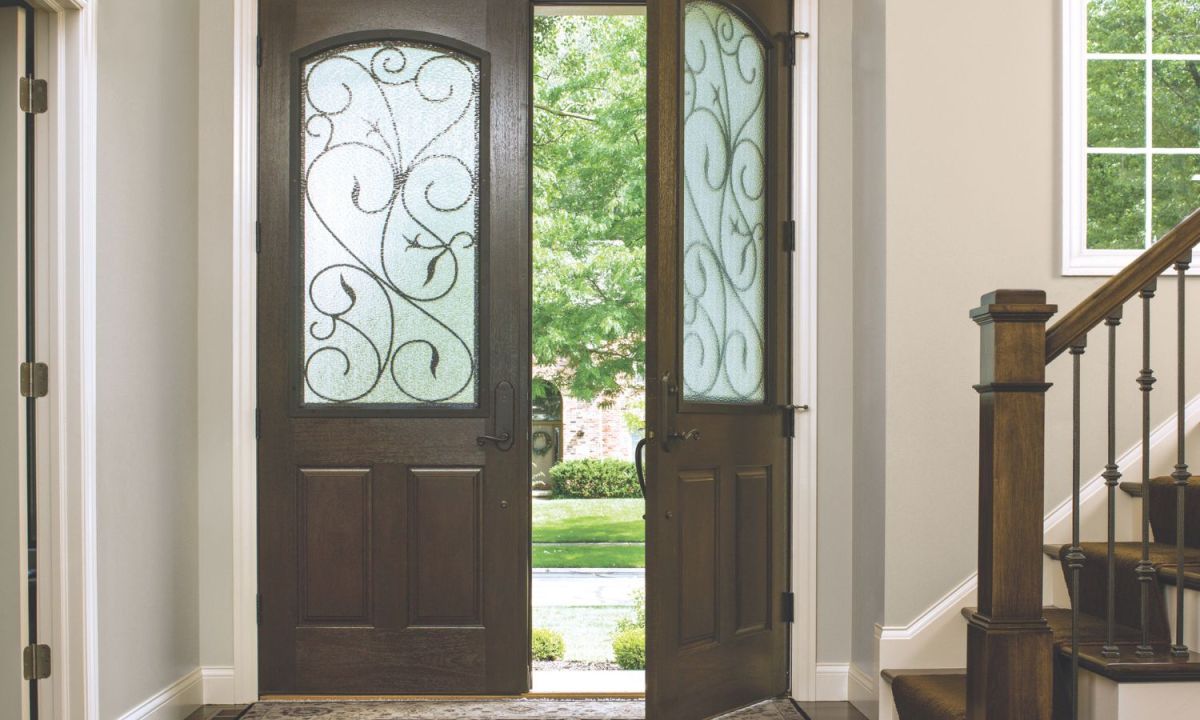
Your front door does more than welcome guests. It plays a real role in how comfortable your home feels and how hard your heating and cooling system has to work throughout the year. Homeowners searching for the best entry doors for energy efficiency often notice drafts, temperature swings near the doorway, or rising utility bills that seem to trace back to the front of the house. Below, we explain what actually makes an entry door energy efficient and what to look for before you replace yours.
What Makes an Entry Door Energy Efficient?
What makes a door energy efficient comes down to a few key factors working together: the core material, the quality of the seal, and how well the frame fits the opening. A well-built door resists heat transfer, blocks drafts, and holds up to temperature swings without warping or shrinking over time.
How long do fiberglass entry doors last is a fair follow-up, and with proper installation and basic care, they perform for decades without the rot or warping that shortens a wood door's life.
Why Fiberglass Stands Out for Energy Efficiency
Whether fiberglass doors are more energy efficient is one of the most common questions homeowners ask when comparing options. Fiberglass entry doors are built with an insulated core that provides meaningfully higher thermal protection than a solid wood door, since wood alone offers comparatively little resistance to heat transfer.
At Window World of the Heartland, our fiberglass entry doors are designed with environmentally friendly insulation that delivers up to four times the insulating value of wood. That insulation works alongside a durable fiberglass skin that will not rot, warp, twist, or bow. As a result, energy performance holds up season after season rather than fading as the door ages. This combination is part of why fiberglass has become one of the most recommended materials for homeowners focused on comfort and long-term efficiency.
Fiberglass vs. Steel vs. Wood
Is fiberglass better than wood for entry doors is a fair question, since wood has long been the traditional choice. Wood is a natural insulator compared to bare metal. Still, it is prone to swelling, cracking, and shrinking with humidity and temperature changes, which can compromise the seal over time and let conditioned air escape.
Steel doors resist denting less than people expect and can dent or rust with everyday wear. Fiberglass, by comparison, is more durable than steel while still delivering strong insulating performance, which is why it has increasingly become the preferred material for homeowners who want both durability and energy efficiency in one package.
Signs Your Current Entry Door Is Costing You Energy
Before deciding on a replacement, it helps to recognize the signs that your existing door is underperforming.
- Noticeable drafts near the door frame, especially on windy days
- A door that feels cold to the touch in winter
- Visible gaps around the weatherstripping or threshold
- Warping, swelling, or a door that no longer closes flush
- Rising heating or cooling costs without another clear explanation
How do I know if my entry door is energy efficient? Often, it comes down to paying attention to these small, everyday signals rather than waiting for an obvious failure.
Choosing the Best Entry Doors for Energy Efficiency
What should I look for in an energy-efficient door starts with the core construction, but a few other details matter just as much:
- Insulated fiberglass construction rather than hollow or thin panels
- Tight, properly fitted weatherstripping around the full frame
- ENERGY STAR qualified performance where applicable, since are fiberglass doors ENERGY STAR rated is a common question and qualifying products meet recognized standards
- A finish and style that fit your home while still supporting energy performance
At Window World of the Heartland, our smooth and woodgrain fiberglass entry doors are available in a range of finishes, from paintable smooth surfaces to woodgrain textures that mimic oak, mahogany, and cedar, so you do not have to choose between style and performance.
Why Installation Quality Matters Just as Much as the Door
Even the most efficient door will underperform if it is not installed correctly. A door that is not properly squared, or that lacks a tight seal against the threshold, can leak air regardless of the material used. Professional installation ensures the frame is set correctly, the weatherstripping seals fully, and the door operates smoothly for years without gaps developing as the home settles.
When homeowners compare the best entry doors for energy efficiency, it is easy to focus entirely on the door itself and overlook installation. In practice, the door and the installation work together, and neither one can fully make up for shortcomings in the other.
Trusted Recognition for Our Entry Doors
Our Woodgrain Entry Doors have been recognized with a Good Housekeeping Home Renovation Award, a distinction reserved for products that pass rigorous testing by the Good Housekeeping Institute. “Do fiberglass entry doors require much maintenance?" is a related question this recognition helps answer, since tested durability means these doors hold up with minimal upkeep. For a full list of products that have earned the Seal, visit goodhousekeeping.com. You can also view our accreditations to see other recognitions our products have earned.
Planning Your Entry Door Replacement
If you are ready to move forward, our entry door options include smooth, modern, and woodgrain fiberglass styles to suit any home and architectural preference. Every entry door is backed by our Lifetime Limited Warranty for long-term peace of mind, and restrictions may apply, so it is worth reviewing the full details.
We also offer a Free In-Home Quote so you can compare options with a Design Consultant and choose the right fit for your home and your budget.
Final Thoughts on Choosing an Energy-Efficient Entry Door
Finding the best entry doors for energy efficiency comes down to choosing a durable, well-insulated material, confirming a tight seal and frame fit, and relying on professional installation to protect that performance for years to come. Fiberglass consistently stands out among the options, offering the insulating strength homeowners want without the maintenance drawbacks of wood or the wear concerns of steel. When you are ready to explore your options, contact us to start planning your entry door replacement.
Frequently Asked Questions
-
Fiberglass entry doors with insulated cores are widely considered the most energy-efficient option, offering strong thermal protection along with long-term durability.
-
Yes, fiberglass doors typically offer significantly higher insulating value than wood and resist the swelling and shrinking that can compromise a wood door's seal.
-
Common signs include drafts, a cold feeling near the door, visible gaps around the frame, warping, and rising energy bills without another explanation.
-
Yes, even a highly insulated door can underperform if it is not installed correctly, since a poor seal or misaligned frame allows air to escape.
-
We offer fiberglass entry doors in smooth, modern, and woodgrain styles, each designed for durability and long-term energy-efficient performance.