

 Back to Blogs
What Gutter Material Lasts the Longest?
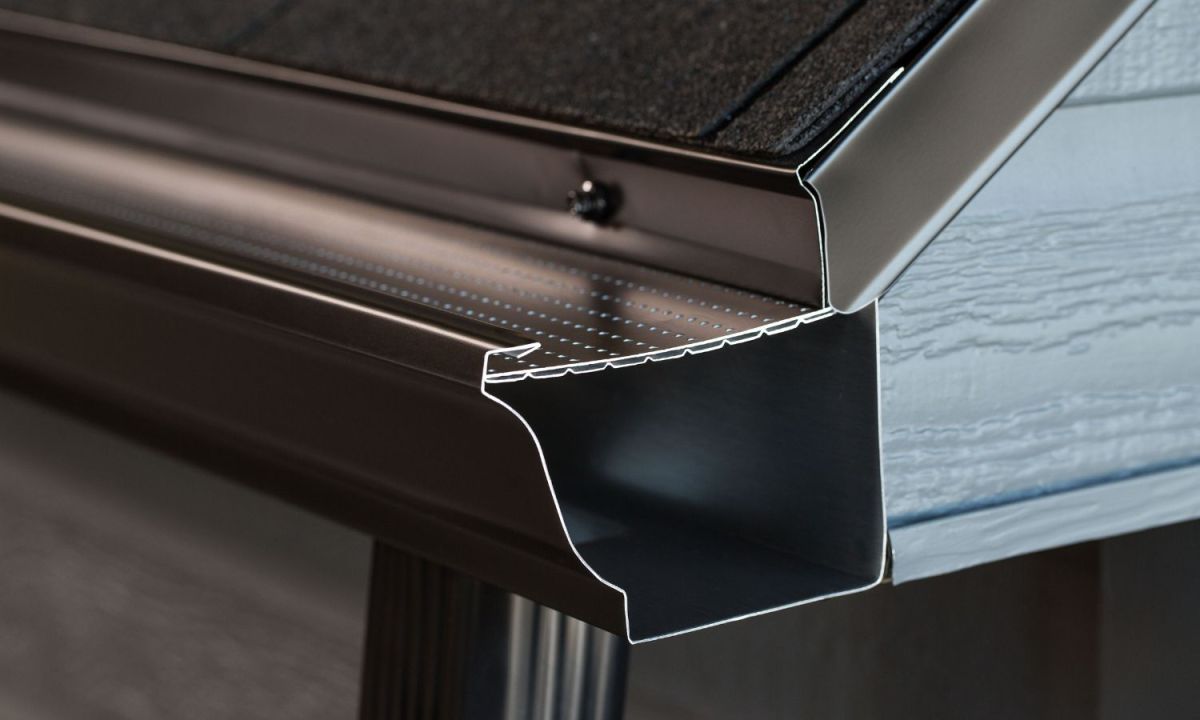
Not all gutters age the same way, and the material you choose has a direct, lasting effect on how long your system holds up against Ohio weather. Homeowners searching for what gutter material lasts the longest usually want a straightforward answer, but durability depends on the material itself, installation quality, maintenance habits, and exposure each season. Below, we break down how common gutter materials compare so you can make an informed decision for your home.
What Determines How Long Gutters Last?
Before comparing materials, it helps to understand what actually shortens or extends a gutter system's lifespan. Two factors matter most: how the gutters are built and what they are exposed to over time.
Material Quality
Thicker, higher-grade materials resist bending, denting, and corrosion far better than thin, budget-grade options. A gutter built from heavier gauge metal or dense, weather-rated vinyl will typically outperform a thinner version of the same material. Seams, fasteners, and coatings also play a role, since a well-built system sheds water evenly instead of trapping moisture at weak points.
Weather and Environmental Exposure
Ohio homes deal with heavy spring rain, humid summers, falling leaves, and winter freeze-and-thaw cycles. Repeated freezing and thawing can stress seams and joints, while constant moisture speeds up corrosion on unprotected materials. Homeowners often ask how long gutters should last, and the honest answer is that climate exposure plays nearly as large a role as the material itself.
Which Gutter Materials Are Known for Durability?
Several materials are commonly used in residential gutter systems, each with its own strengths and trade-offs. Understanding these differences helps answer the common question of which gutters last the longest for a given home. When considering the best gutters for your home, it is important to look at the material's durability, your home's exposure, and the level of maintenance you prefer.
- Aluminum: Aluminum is one of the most widely used gutter materials because it resists rust, is lightweight, and holds up well across varying climates. Homeowners frequently ask how long aluminum gutters last, and with proper installation and routine care, aluminum systems can perform reliably for many years. “ Are aluminum gutters durable?" is another common search, and the answer is yes, particularly when the gauge is heavier and the finish is well applied.
- Steel: Steel gutters, including galvanized and stainless steel varieties, offer strong resistance to denting and impact damage. Standard galvanized steel can be vulnerable to rust over time if the protective coating is scratched or wears thin, especially in consistently wet climates.
- Copper: Copper is often prized for its longevity and distinctive appearance, frequently lasting for decades without structural failure. It naturally develops a protective patina that shields it from corrosion. The tradeoff is a significantly higher upfront cost, a factor many homeowners weigh carefully.
- Vinyl: Vinyl gutters are lightweight, affordable, and rust-resistant because there is no metal to corrode. They can become more brittle in extreme cold, which may shorten their service life in areas with harsh winters compared to metal alternatives.
Which Gutter Material Lasts the Longest?
When homeowners ask what the most durable gutter material is, there is rarely one universal answer. Copper often lasts the longest in raw material terms, followed closely by well-maintained aluminum and steel systems. The conversation about which gutter material lasts the longest always comes back to more than the metal or vinyl itself. Installation quality, proper slope, secure fastening, and consistent maintenance often matter as much as the material selected. A correctly installed aluminum system that is well maintained can easily outperform a poorly installed higher-end material.
How Can You Make Gutters Last Longer?
Regardless of which material is on your home, a few habits go a long way toward extending gutter lifespan.
- Clear leaves, twigs, and debris regularly so water keeps moving through the gutter system instead of pooling.
- Inspect downspouts each season to confirm water drainage is directing roof runoff away from the foundation.
- Check for loose fasteners, sagging sections, or separated joints after major storms.
- Address small issues early, since minor upkeep now prevents larger problems later.
Are leaf protection systems necessary?
Leaf protections systems, commonly referred to as gutter guards, are very helpful at extending the life of your gutters. They help block the majority of leaves, twigs, asphalt from shingles and other debris from collecting in your gutters. Gutter protection systems are highly recommended if you live in an area with a lot of trees. Home-owners who have gutter protection installed avoid the need of cleaning their gutters ever again. The added protection prevents debris from damming up and holding onto the water that should be free-flowing into your downspouts. They help prevent your gutters from sagging and overflowing.
How often should gutters be replaced?
Homeowners who ask how often gutters should be replaced are often surprised that consistent upkeep can meaningfully delay a full replacement, even though every system eventually reaches the end of its service life. Many also wonder what gutters are best for heavy rain, and the answer usually favors a properly sloped, well-sealed system over any single material choice.
When Should You Replace Your Gutters?
Certain warning signs indicate that repair is no longer enough and full gutter replacement should be considered.
- Persistent leaks along seams or corners that continue after resealing
- Visible sagging or pulling away from the roofline
- Cracks, splits, or noticeable corrosion on the surface
- Sections separating from each other during heavy rainfall
- Pooling water near the foundation after storms, signaling poor water drainage
If you are noticing several of these signs at once, it is a strong indicator that your current gutter system has reached the point where it needs a full update.
Choosing the Right Gutter System for Your Home
What affects gutter lifespan ultimately comes down to a combination of material, exposure, and how well the system was installed. At Window World of the Heartland, we recommend adding a Leaf Protection System with any installation of new gutters. It is available in a range of color options that perfectly match your new gutters and are constructed to resist denting, giving homeowners a low-maintenance option that supports lasting exterior protection.
When comparing options, weigh your home's exposure to trees and storms against how much time you want to spend on maintenance, and consider how the material pairs with your siding. A properly installed, well-maintained gutter system protects your siding, foundation, and landscaping from runoff damage. Every installation is backed by our warranty coverage.
Final Thoughts on Long-Lasting Gutters
Choosing which gutter material lasts the longest is not just about picking the toughest metal on paper. It comes down to material quality, correct installation, and ongoing care working together over the life of the system. Copper, aluminum, steel, and vinyl each bring different strengths, but a well-installed and properly maintained system will consistently outperform a neglected one regardless of material. At Window World of the Heartland, we help homeowners across our service area protect their homes with dependable gutter solutions built for long-term durability. If you are ready to talk through what will work best for your home, request your free quote or contact us to start the conversation.
Frequently Asked Questions
-
Copper and well-maintained aluminum gutters tend to last the longest, but aluminum is a fraction of the cost of copper. Also installation quality and leaf protection systems matter just as much as the material you choose.
-
Aluminum gutters generally require the least upkeep since they resist rust and are lightweight, making routine cleaning and inspection simple for most homeowners.
-
With proper installation and regular maintenance, most residential gutter systems can last for decades, though exact lifespan varies by material and exposure.
-
Corrosion, repeated freeze-and-thaw cycles, clogged debris, loose fasteners, and poor installation all contribute to gutters wearing out faster than expected.
-
Replace gutters when you notice persistent leaks, visible sagging, corrosion, cracks, or pooling water near your foundation after heavy rainfall.